

Four Madhya Pradesh Heritage Sites Added to UNESCO Tentative List
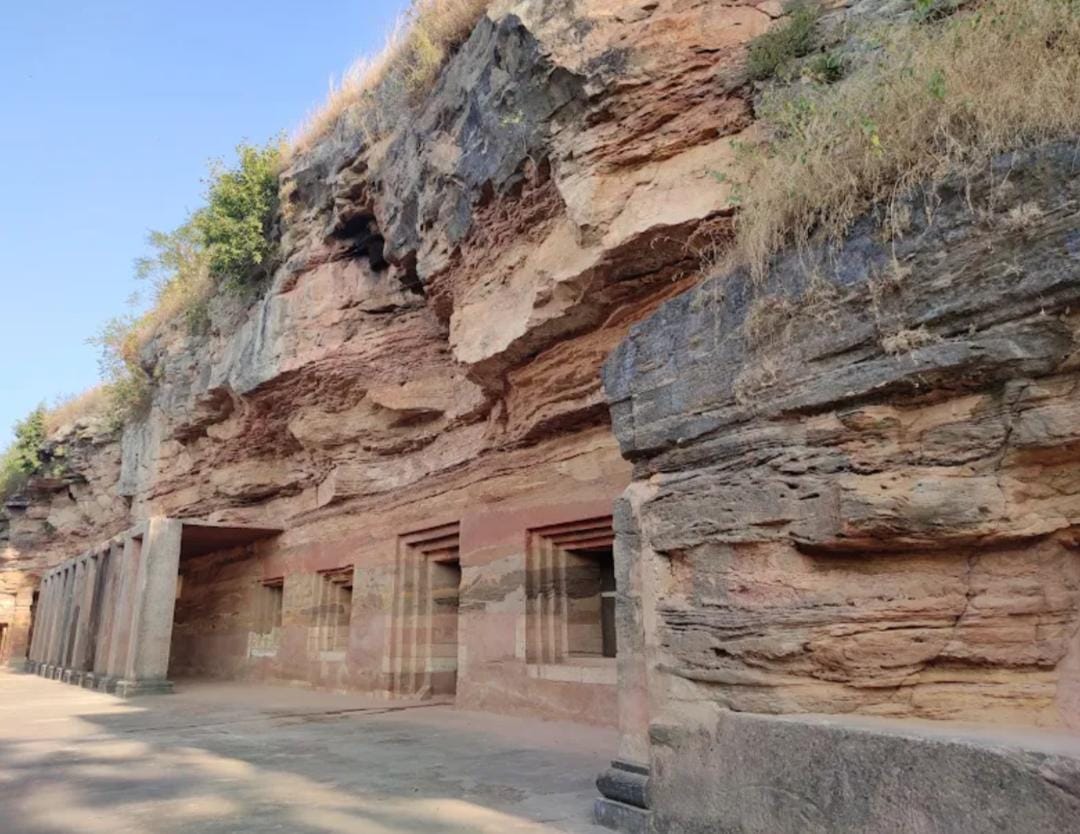
Bagh Cave - MP
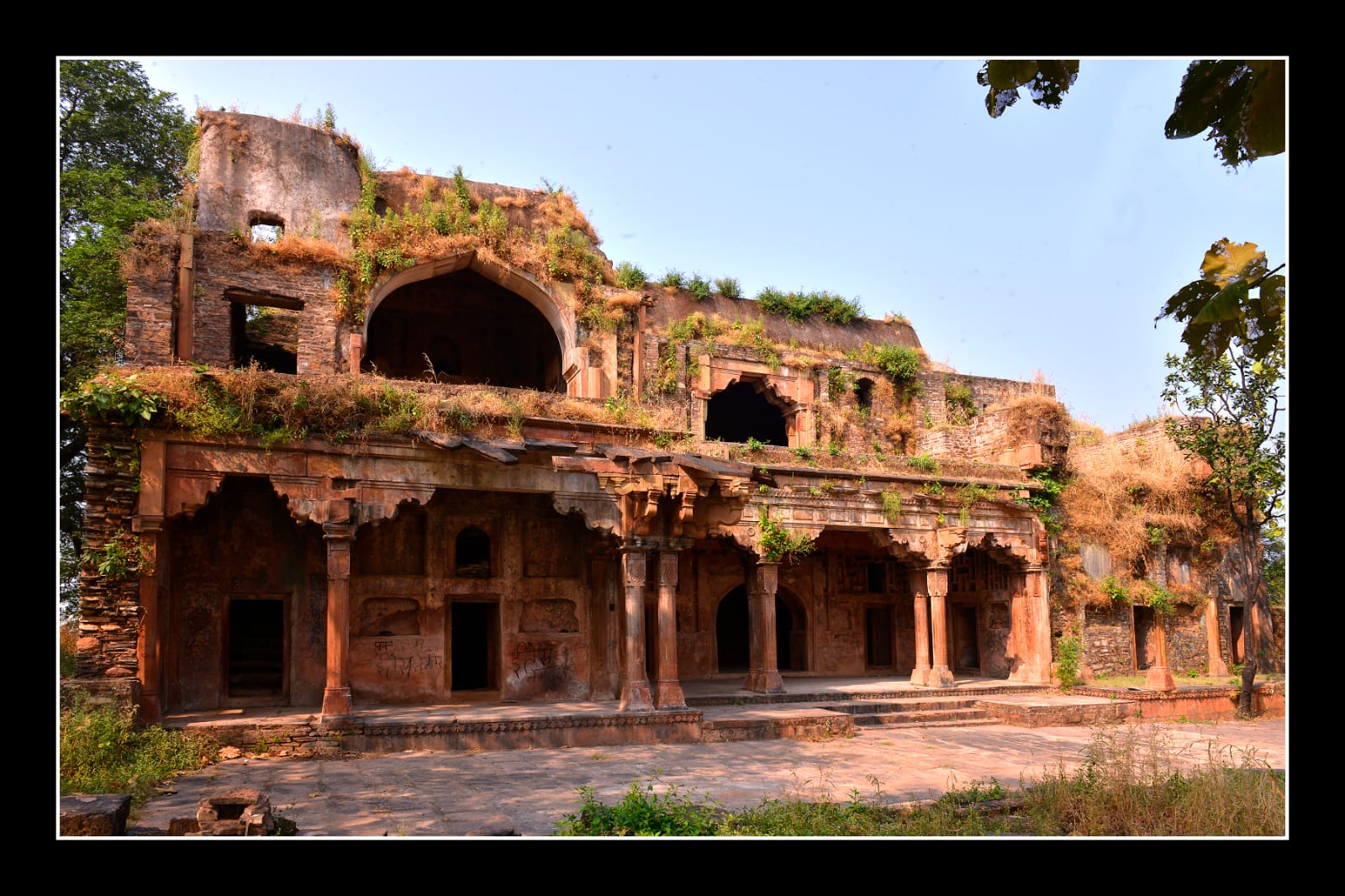
Ginnorgarh Fort
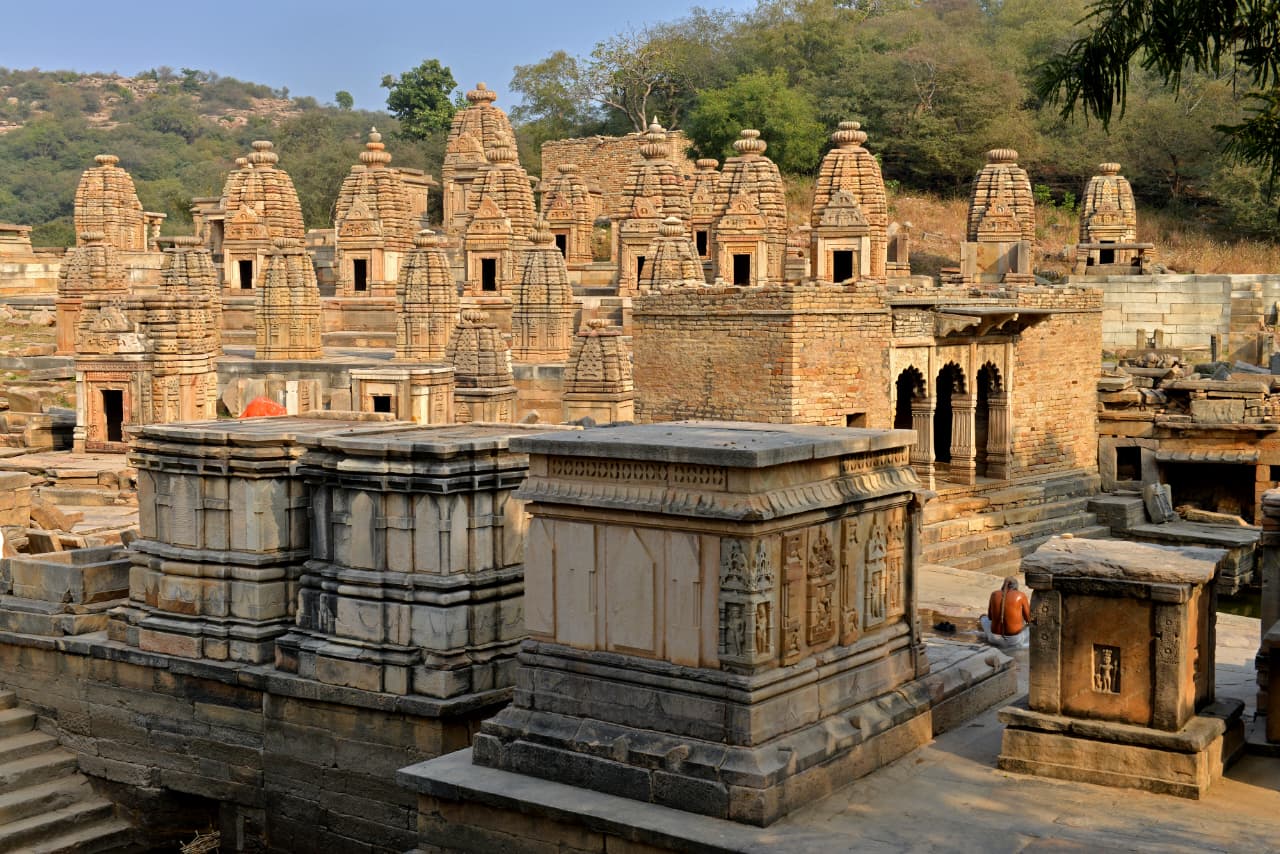
Bateshwar Group of Temples
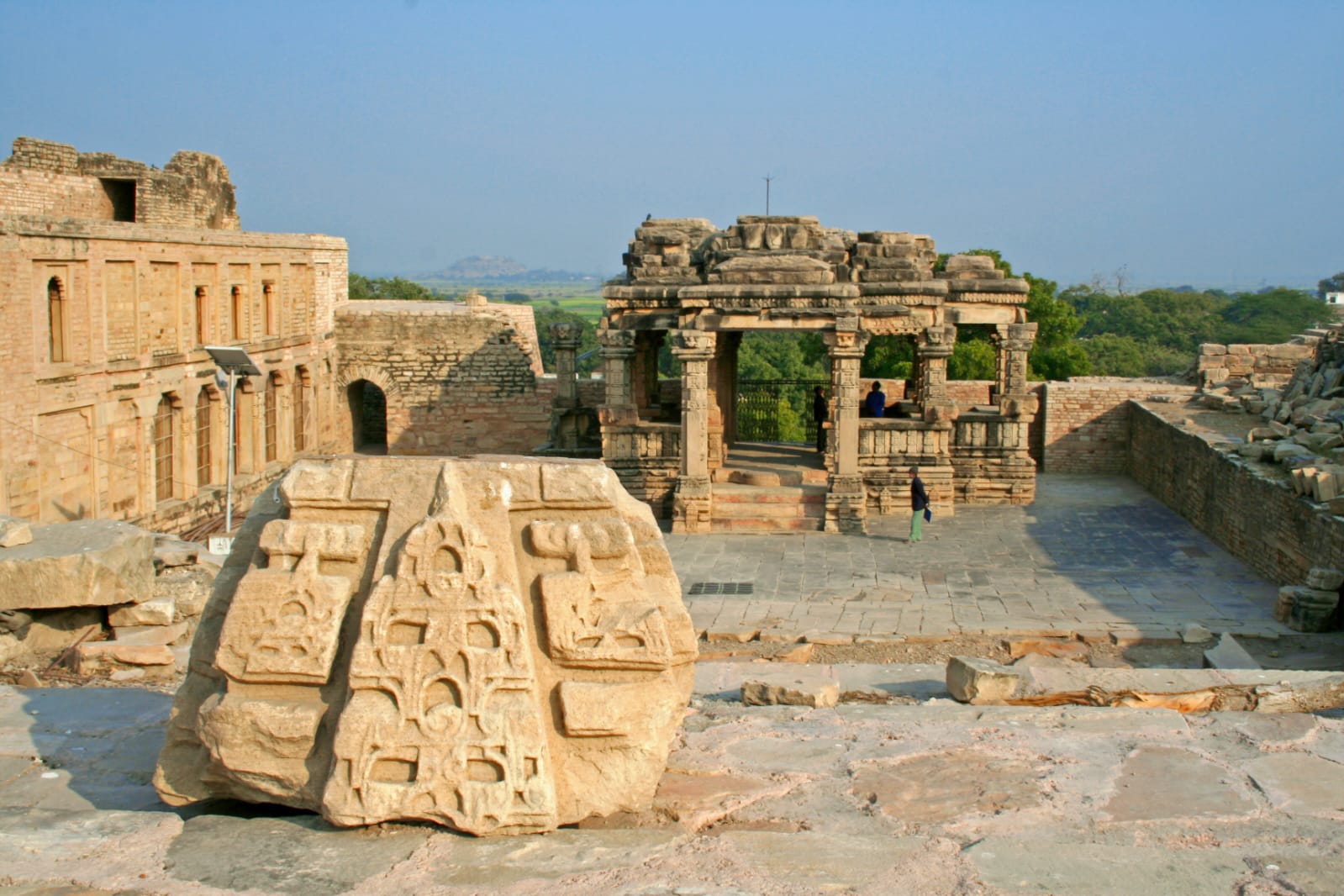
Padavali Temple
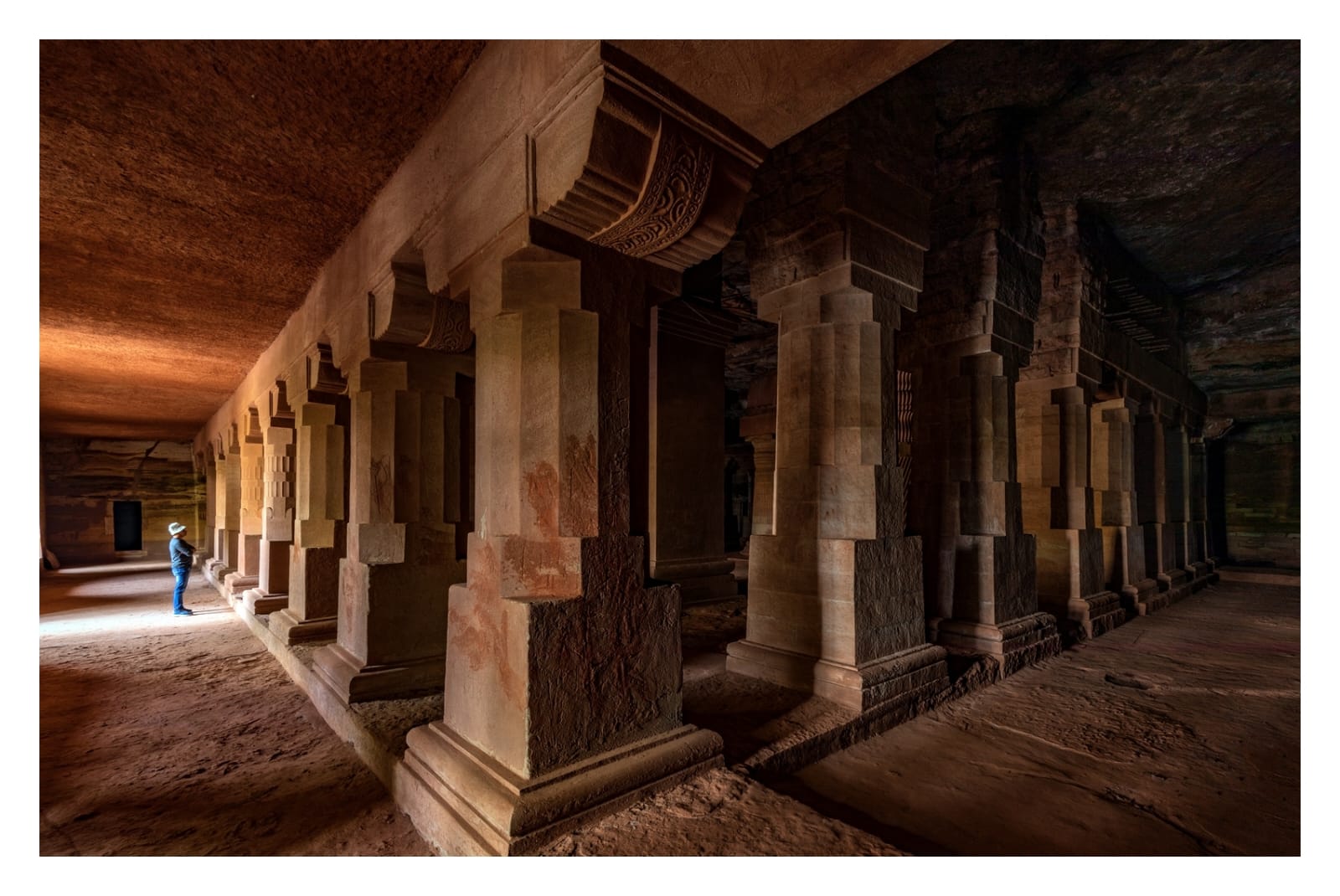
Udaygiri Caves
Bagh Caves, Ginnorgarh Fort, the Chambal Valley temple group and Udaigiri Caves expand the State's representation on India's UNESCO heritage pathway
BHOPAL, MADHYA PRADESH, INDIA, October 13, 2026 /EINPresswire.com/ -- Four historic properties in Madhya Pradesh — Bagh Cave paintings, Ginnorgarh Fort, the Group of Temples of the Chambal Valley comprising Bateshwar, Padavali and Kakarmath, and Udaigiri Caves — have been added to India's UNESCO Tentative List. The additions bring Madhya Pradesh's representation to 19 of India's 78 properties currently on the Tentative List, further expanding the State's presence within India's heritage inventory.Madhya Pradesh already has three properties inscribed on the UNESCO World Heritage List: the Khajuraho Group of Monuments, Buddhist Monuments at Sanchi and Bhimbetka Rock Shelters. The State's growing presence on the Tentative List reflects the range of archaeological, architectural and cultural traditions found across central India.
Bagh Cave Paintings: Buddhist Art and Murals
Located in Dhar district, the Bagh Cave paintings are associated with a group of nine rock-cut Buddhist caves developed between the 4th and 6th centuries CE along the Baghni River. The complex includes monastic and residential spaces, with surviving murals providing an important record of the artistic and cultural traditions of the period.
The paintings depict figures and scenes associated with courtly life, music, dance and everyday society, offering insights into the artistic environment of central India during the Gupta period. The site also reflects connections with the wider tradition of Buddhist mural painting represented at Ajanta, while retaining its own regional characteristics.
Ginnorgarh Fort: A Gond Fortified Capital
Set within a forested hill landscape in the Ratapani area of Sehore district, Ginnorgarh Fort was the principal fortified capital of the Raj Gond rulers of the Garha Kingdom. The fort's location incorporates the natural terrain into its defensive design, with steep slopes, ravines and surrounding vegetation forming part of its strategic setting.
The complex includes fortification walls, gateways, bastions, palace remains, stepwells and reservoirs. Its extensive water-management system, together with its spatial organization into defensive, administrative and royal areas, provides insight into the political organization, settlement planning and indigenous building practices of the Gond kingdom.
Bateshwar–Padavali–Kakarmath: Temple Architecture in the Chambal Valley
The Group of Temples of the Chambal Valley, comprising Bateshwar, Padavali and Kakarmath in Morena district, represents an important concentration of early medieval temple architecture in central India.
Dating from the 8th to 11th centuries CE, the three sites illustrate the development of regional Nagara-style architecture under the Gurjara-Pratihara and Kachchhapaghata dynasties. Bateshwar comprises an extensive group of temples, while Padavali is distinguished by its carved architectural elements and Kakarmath represents a later stage in the development of the regional temple tradition.
Together, the three sites demonstrate the evolution of temple architecture, sculpture and construction techniques within the Chambal Valley and provide a record of the region's early medieval artistic traditions.
Udaigiri Caves: Rock-Cut Heritage of the Gupta Period
Located near Vidisha, the Udaigiri Caves comprise 20 rock-cut caves containing shrines, inscriptions and monumental sculptures associated primarily with the Gupta period.
Among the site's best-known works is the monumental Varaha relief, depicting Vishnu's boar incarnation. The cave complex also contains Shaiva and Jain elements, while inscriptions associated with Gupta rulers and officials provide evidence of the site's religious, artistic and political significance.
The caves are also significant for their relationship between architecture, sculpture and the natural landscape. Their arrangement along the hillside and the integration of monumental reliefs, shrines and other features illustrate an important stage in the development of early Indian sacred architecture.
Expanding Madhya Pradesh's Heritage Landscape
The four additions broaden the representation of Madhya Pradesh's heritage on India's UNESCO Tentative List across different periods and traditions — from Buddhist mural art and Gupta-period sculpture to Gond fortification and early medieval temple architecture.
For international visitors and heritage researchers, the sites provide further context to Madhya Pradesh's established heritage destinations, including Khajuraho, Sanchi and Bhimbetka. The State's heritage landscape extends beyond its three inscribed World Heritage Sites to encompass historic towns, archaeological complexes, rock-cut architecture, temple traditions and cultural landscapes.
The latest additions add further depth to India's Tentative List and highlight the archaeological and architectural diversity of Madhya Pradesh. They also provide additional opportunities for understanding the historical traditions, artistic practices and cultural exchanges that shaped central India over centuries.
ZM
Madhya Pradesh Tourism Board
Visit us on social media:
LinkedIn
Instagram
Facebook
YouTube
X
The Ancient Marvels of #madhyapradesh | #ajabgajabmp | MP Tourism
Legal Disclaimer:
EIN Presswire provides this news content "as is" without warranty of any kind. We do not accept any responsibility or liability for the accuracy, content, images, videos, licenses, completeness, legality, or reliability of the information contained in this article. If you have any complaints or copyright issues related to this article, kindly contact the author above.
