

USA-Trained Neurosurgeon Explains Why Every Meningioma Does Not Require Open Brain Surgery
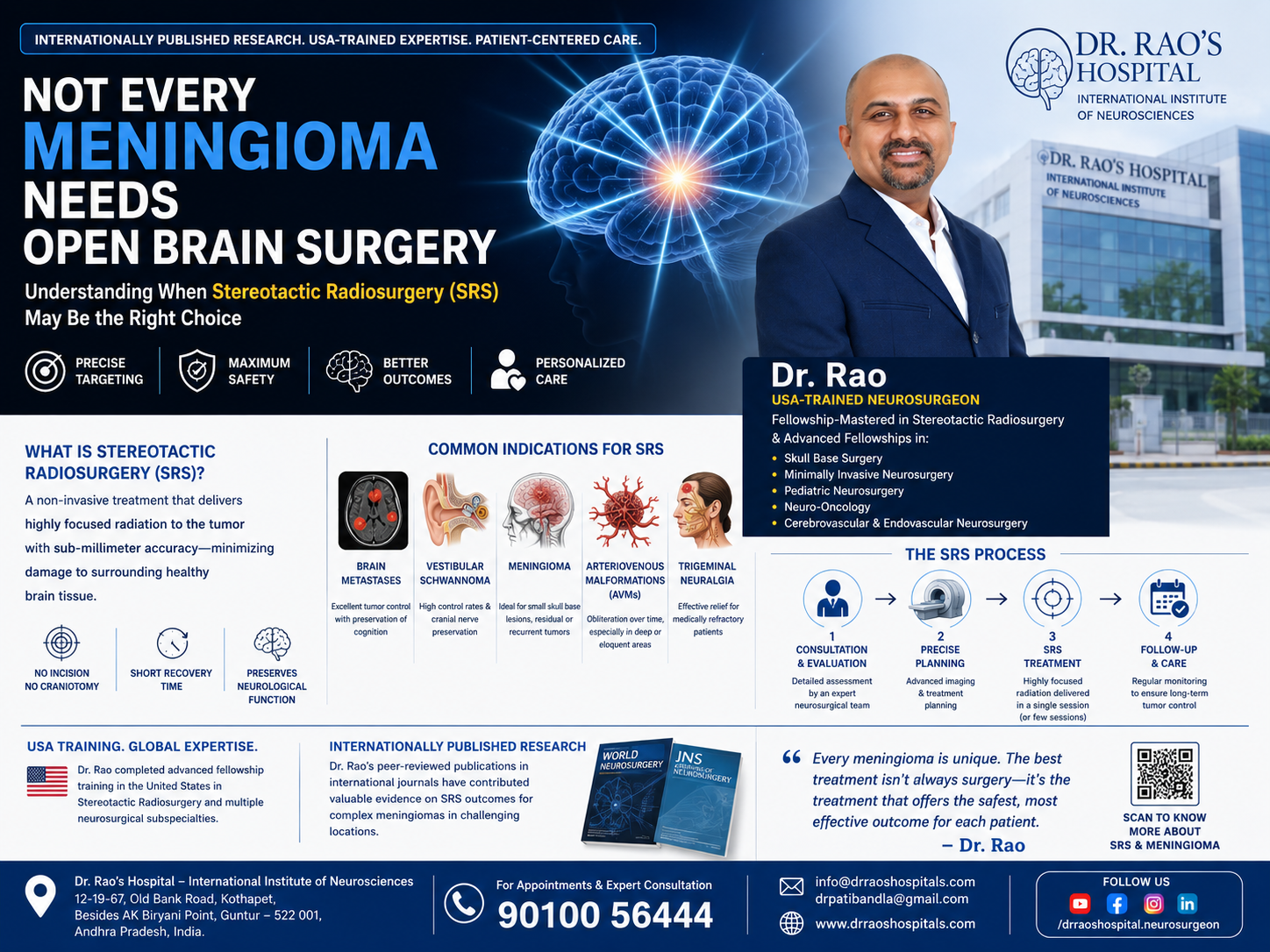
USA-trained neurosurgeon Dr. Rao explains how stereotactic radiosurgery (SRS) offers a precise, non-invasive treatment option for carefully selected meningiomas. Backed by internationally published research and advanced fellowship training in stereotactic
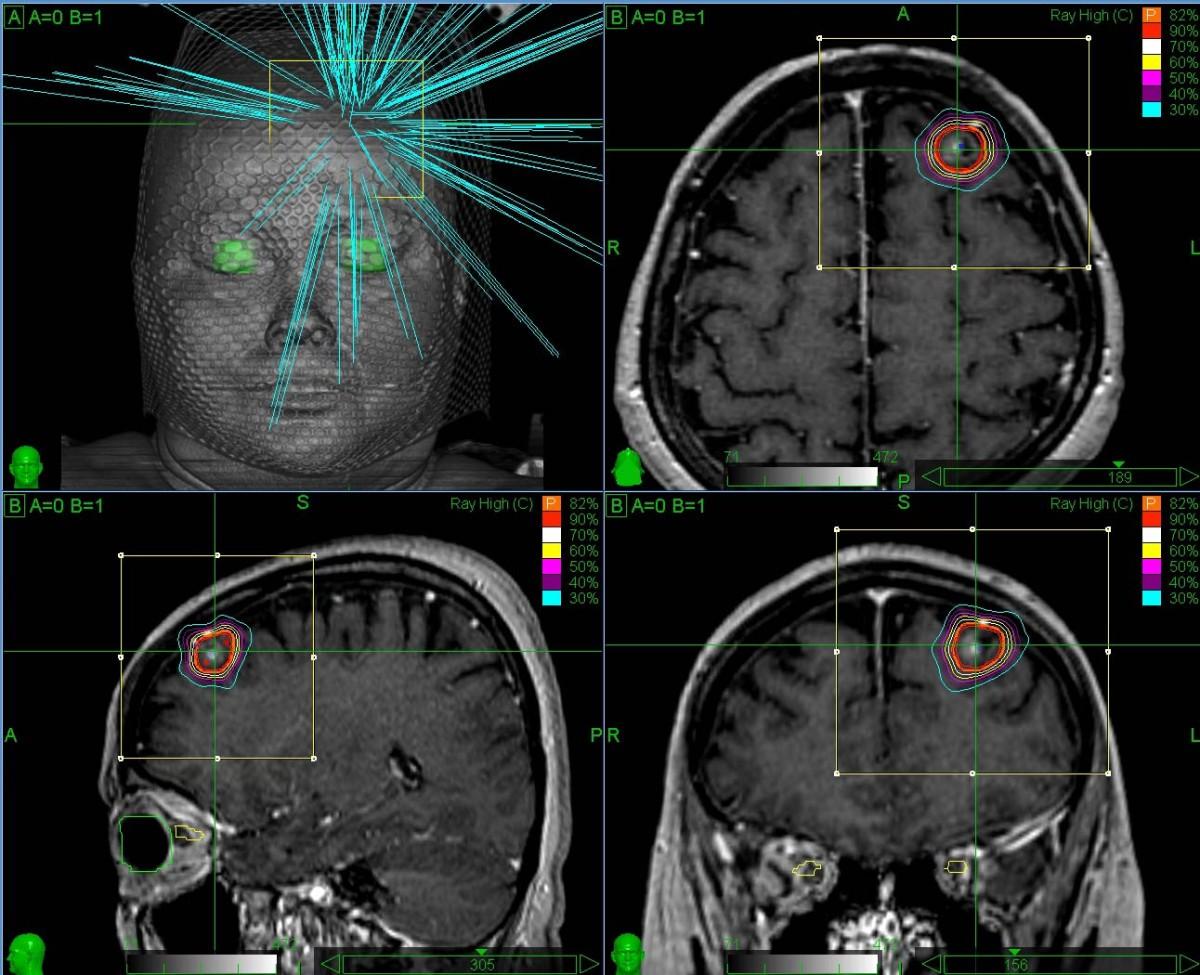
Treatment planning for stereotactic radiosurgery (SRS) demonstrates highly focused radiation beams converging on a frontal convexity meningioma. Advanced MRI-based planning enables precise dose delivery to the tumor while minimizing radiation exposure to
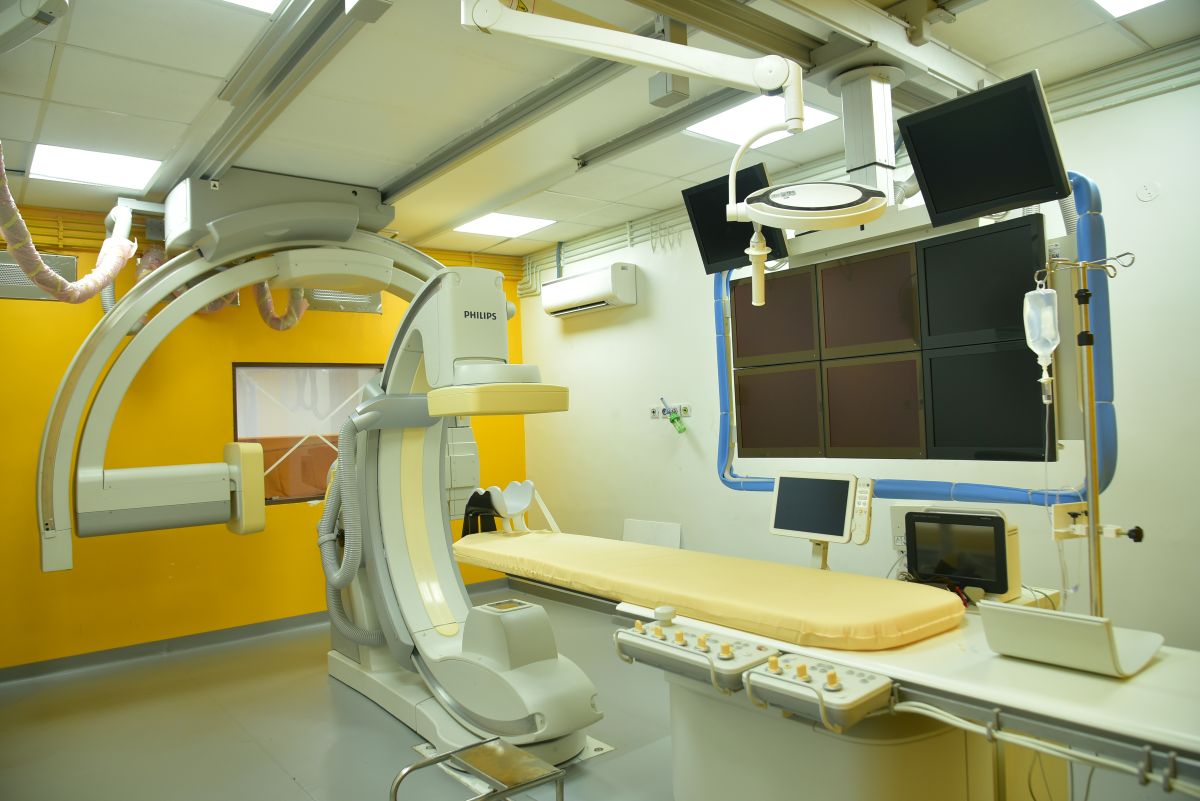
The advanced biplane cath lab at Dr. Rao's Hospital, designed for precision neurovascular procedures and minimally invasive surgeries, first in Andhra Pradesh and Telangana in India.
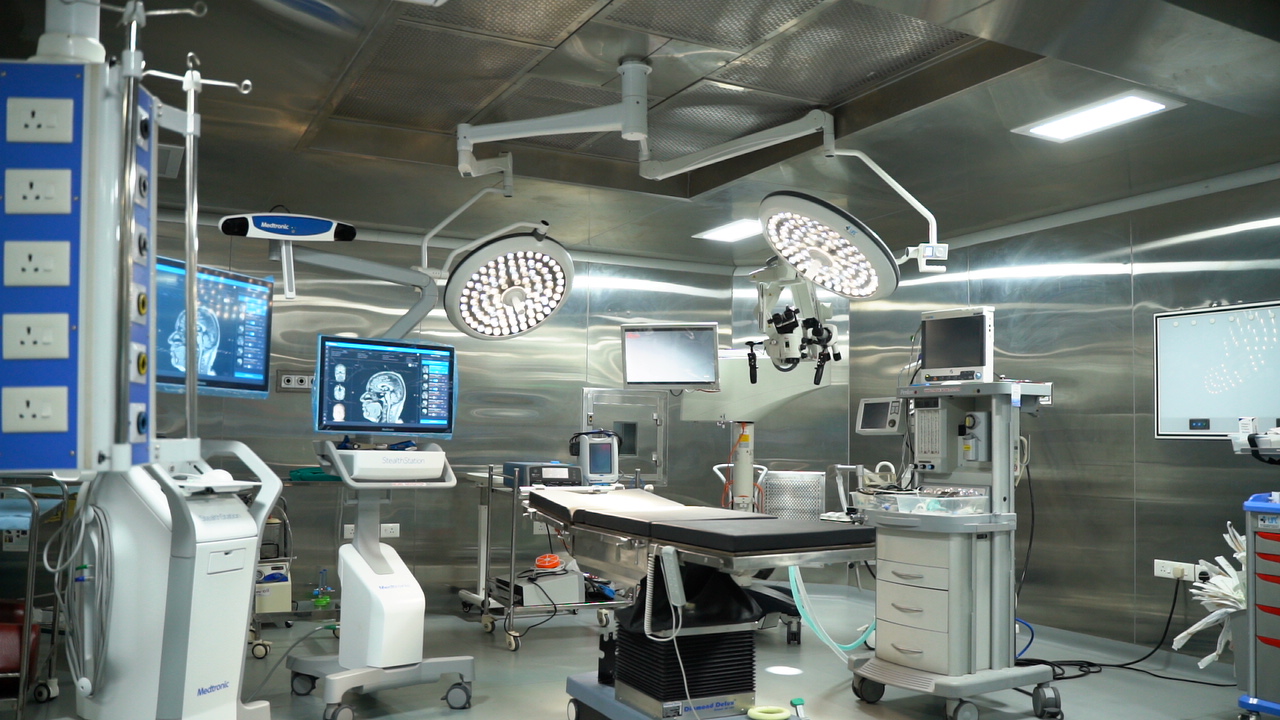
The high-tech neurosurgery operating room at Dr. Rao's Hospital, Guntur featuring advanced imaging and navigation systems for precise brain and spine surgeries.

Dr Rao the best neurosurgeon in the world
Internationally Published Research Helps Patients Understand When Stereotactic Radiosurgery May Be the Right Choice for Carefully Selected Brain Tumors
Internationally Published Research Helps Patients Understand When Stereotactic Radiosurgery May Be the Right Choice for Carefully Selected Brain Tumors
Hearing the words "brain tumor" is often one of the most frightening moments in a person's life. For many patients and families, the immediate assumption is that brain surgery is inevitable. However, advances in modern neurosurgery and radiation technology have transformed the treatment of many benign brain tumors, particularly meningiomas. Today, carefully selected patients may benefit from stereotactic radiosurgery—a highly precise, non-invasive treatment that can control tumor growth without the need for an open craniotomy.
According to Dr. Mohana Rao Patibandla, commonly known as Dr. Rao, Founder and Chief Neurosurgeon at Dr. Rao's Hospital – International Institute of Neurosciences, understanding the characteristics of each individual tumor is far more important than assuming one treatment fits every patient.
Following neurosurgical training in India, Dr. Rao completed advanced fellowship training in the United States in several subspecialties, including stereotactic radiosurgery, minimally invasive neurosurgery, skull base surgery, pediatric neurosurgery, neuro-oncology, and cerebrovascular/endovascular neurosurgery. This broad subspecialty training enables him to evaluate complex brain tumors using the full spectrum of contemporary treatment options rather than relying on a single technique.
"Meningiomas vary considerably in their size, location, biological behavior, and relationship to critical brain structures," Dr. Rao said. "Our responsibility as neurosurgeons is not simply to remove tumors, but to recommend the treatment that offers the greatest likelihood of long-term tumor control while preserving neurological function and quality of life."
What Is a Meningioma?
Meningiomas arise from the meninges—the protective membranes surrounding the brain and spinal cord. They represent the most common primary brain tumor in adults and are usually benign (World Health Organization Grade I). Many grow slowly over several years and may never produce symptoms, while others can affect vision, hearing, balance, memory, facial movement, or swallowing depending on their location.
With increasing use of MRI scans, many meningiomas are discovered incidentally during investigations for unrelated headaches, dizziness, or trauma. This has raised an important question for both patients and physicians: Does every meningioma require surgery?
The answer, according to current evidence, is no.
Understanding Stereotactic Radiosurgery
Despite its name, stereotactic radiosurgery (SRS) is not traditional surgery. There are no incisions, no stitches, and no removal of bone. Instead, multiple precisely focused beams of radiation converge on the tumor with sub-millimeter accuracy, delivering a therapeutic dose while minimizing exposure to surrounding healthy brain tissue.
For carefully selected patients, stereotactic radiosurgery offers several potential advantages, including avoidance of open surgery, shorter recovery, preservation of neurological function, and excellent long-term tumor control.
However, Dr. Rao emphasizes that radiosurgery is not appropriate for every patient.
"The decision depends on multiple factors, including tumor size, growth rate, location, symptoms, age, general health, and imaging findings," he explained. "Some patients benefit most from observation, others from microsurgery, and others from stereotactic radiosurgery. In many situations, combining surgery and radiosurgery provides the best long-term outcome."
Why Tumor Location Matters
While many people focus on the size of a brain tumor, neurosurgeons often consider location to be equally—or even more—important.
Tumors arising in the skull base, posterior fossa, petroclival region, or foramen magnum lie close to structures responsible for vision, hearing, facial movement, swallowing, balance, and breathing. Treating these tumors requires careful planning to achieve tumor control while preserving neurological function.
Dr. Rao's internationally published research has focused on stereotactic radiosurgery and the management of several of these challenging meningioma locations, including central skull base meningiomas, posterior fossa meningiomas, foramen magnum meningiomas, and petroclival meningiomas. These peer-reviewed studies have contributed to the growing body of evidence supporting individualized treatment strategies for complex meningiomas.
Fellowship Training and Why It Matters
Patients often hear terms such as "fellowship-trained" without understanding their significance.
A fellowship represents advanced subspecialty education undertaken after completion of neurosurgical residency. During his fellowship training in the United States, Dr. Rao received dedicated training in stereotactic radiosurgery under internationally recognized experts. This experience provided extensive exposure to advanced treatment planning, multidisciplinary decision-making, and long-term follow-up of patients with brain tumors and other neurological disorders treated using precision radiosurgery.
Such training is particularly valuable because stereotactic radiosurgery is not simply a technology—it requires careful patient selection, precise treatment planning, and a thorough understanding of tumor biology and surrounding neuroanatomy.
Every Patient Deserves an Individualized Treatment Plan
Modern neurosurgery has evolved beyond the philosophy of offering the same treatment to every patient.
Today, management options for meningiomas may include:
Active MRI surveillance for selected slow-growing tumors.
Microsurgical removal when decompression or tissue diagnosis is required.
Stereotactic radiosurgery for appropriately selected tumors.
Fractionated radiotherapy in specific clinical situations.
Combined surgery followed by radiosurgery for residual tumor.
Choosing among these options requires collaboration between neurosurgeons, radiation specialists, neuroradiologists, neuropathologists, and rehabilitation teams.
"The most advanced treatment is not always the best treatment," Dr. Rao said. "The right treatment is the one that is tailored to the individual patient."
Symptoms Patients Should Not Ignore
Although many meningiomas remain asymptomatic for years, persistent neurological symptoms should always be evaluated by a qualified specialist.
Warning signs may include:
Persistent or progressively worsening headaches.
Double vision or vision loss.
Hearing changes.
Facial numbness or weakness.
Difficulty with balance or walking.
New-onset seizures.
Progressive weakness of the arms or legs.
Memory changes or personality changes.
Early diagnosis allows physicians to monitor tumors appropriately and intervene when necessary before irreversible neurological injury develops.
Research That Supports Better Conversations
For many patients, medical literature can be difficult to interpret. One of the most valuable roles of physicians is translating scientific evidence into information that patients and families can understand.
Dr. Rao's published research in internationally recognized neurosurgical journals contributes to the evidence base guiding stereotactic radiosurgery for complex meningiomas and helps inform discussions about long-term outcomes, volumetric tumor assessment, and management strategies for tumors in anatomically challenging locations. The research showed a nearly 92% tumour control rate in these meningiomas over 10 years.
Rather than replacing clinical judgment, this research supports shared decision-making—ensuring that treatment recommendations are based on both scientific evidence and the individual patient's needs.
Looking Toward the Future
Advances in neuroimaging, artificial intelligence-assisted treatment planning, stereotactic radiosurgery, and minimally invasive neurosurgery continue to expand treatment options for patients with benign brain tumors.
As technology evolves, specialists anticipate increasingly personalized treatment strategies that maximize tumor control while minimizing treatment-related risks and preserving quality of life.
For patients diagnosed with a meningioma, the most important message is reassuring: a diagnosis is not the same as a treatment plan. Every tumor is different, and every patient deserves a careful, individualized evaluation by an experienced multidisciplinary team.
About Dr. Rao's Hospital – International Institute of Neurosciences
Dr. Rao's Hospital – International Institute of Neurosciences, based in Guntur, Andhra Pradesh, is a dedicated neurosciences center providing comprehensive care for disorders of the brain, spine, and nervous system. The hospital offers advanced neurosurgery, neurology, stereotactic radiosurgery, cerebrovascular and endovascular neurosurgery, skull base surgery, minimally invasive brain and spine surgery, pediatric neurosurgery, neuro-oncology, neurocritical care, and rehabilitation through a multidisciplinary team focused on evidence-based, patient-centered care.
Mohana Rao Patibandla
Patibandla Narayana Swamy Neurosciences LLP
+91 90100 56444
info@drraoshospitals.com
Visit us on social media:
LinkedIn
Instagram
Facebook
YouTube
X
Stereotactic Radiosurgery in Guntur by Fellowship trained Neurosurgeon and Stereotactic Radiosurgeon
Legal Disclaimer:
EIN Presswire provides this news content "as is" without warranty of any kind. We do not accept any responsibility or liability for the accuracy, content, images, videos, licenses, completeness, legality, or reliability of the information contained in this article. If you have any complaints or copyright issues related to this article, kindly contact the author above.
